
Owning a home is one of the largest financial investments most people will ever make. While purchasing a property is a significant milestone, protecting that investment requires ongoing attention and maintenance. Homes are made up of numerous interconnected systems and structural components that experience wear and tear over time. Without regular upkeep, small issues can gradually develop into costly repairs that affect both property value and daily comfort.
Many homeowners focus on cosmetic improvements while overlooking the systems that keep a home functioning properly. Although updated finishes and attractive décor can enhance appearance, long-term value depends on maintaining critical components such as roofing, plumbing, drainage systems, electrical infrastructure, and climate control equipment. Proactive maintenance helps ensure these systems operate efficiently while reducing the likelihood of unexpected breakdowns.
Home maintenance also plays an important role in preserving resale value. Prospective buyers often evaluate the condition of major systems before making purchasing decisions. A home that has been consistently maintained typically inspires greater confidence and can command a stronger market position than one with obvious signs of neglect.
Developing a proactive approach to maintenance allows homeowners to identify potential concerns before they become serious problems. By focusing on critical systems and scheduling regular inspections, it becomes easier to protect both the physical condition and financial value of a property. The following strategies highlight some of the most important areas of home upkeep that can help safeguard your investment for years to come.
Keeping Heating and Cooling Systems Running Efficiently
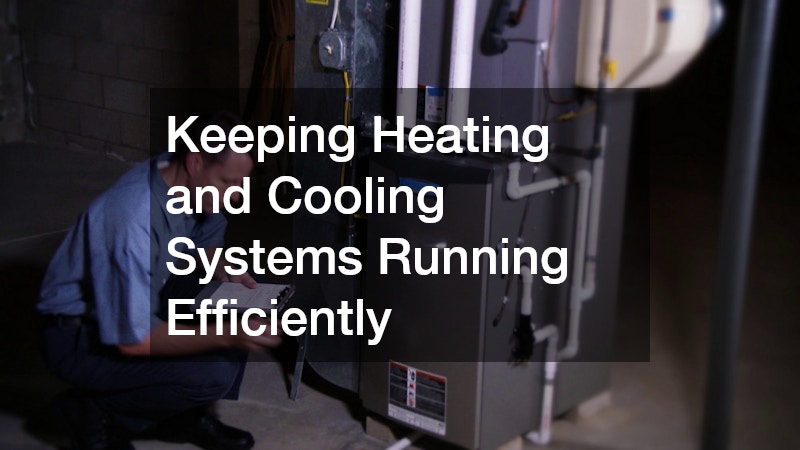
Heating and cooling systems play a vital role in maintaining comfort throughout the year. Whether facing summer heat or winter temperatures, homeowners depend on reliable climate control to create a safe and comfortable indoor environment. Because these systems often operate extensively throughout the year, routine care is essential to maintain efficiency and performance.
Regular HVAC maintenance helps identify worn components, airflow restrictions, and performance issues before they result in system failure. Professional inspections typically include cleaning, filter replacement, electrical checks, and performance testing to ensure optimal operation. These preventive measures can significantly extend equipment lifespan.
Well-maintained systems also consume less energy than neglected equipment. When heating and cooling units operate efficiently, homeowners often experience lower utility bills and more consistent indoor temperatures. Investing in preventive service helps avoid costly emergency repairs while maximizing long-term performance.
Protecting Your Home’s Water Supply and System Performance
Homes that rely on private wells require specialized attention to maintain water quality and system reliability. A dependable water supply is essential for cooking, cleaning, bathing, and everyday household activities. Problems with well systems can disrupt daily life and potentially create health concerns if not addressed promptly.
Routine water well service helps ensure pumps, pressure tanks, and related components remain in proper working condition. Regular inspections can identify declining performance, contamination risks, or mechanical issues before they escalate into major failures. Water testing is also an important part of maintaining safe drinking water.
Proactive care helps preserve system longevity while reducing the likelihood of unexpected interruptions. By monitoring water quality and equipment performance, homeowners can maintain a reliable supply and avoid costly repairs that may result from neglected maintenance.
Preventing Small Roofing Problems From Becoming Major Repairs
The roof serves as the home’s first line of defense against weather conditions, making its maintenance a critical priority. Rain, wind, snow, and sunlight continually affect roofing materials, gradually causing wear that may not be immediately visible from the ground.
Scheduling local roof repair when minor damage is discovered can prevent much larger issues from developing. Small leaks, damaged shingles, flashing problems, and weakened areas can often be addressed quickly when identified early. Ignoring these concerns may allow moisture to penetrate the structure and cause extensive damage.
Routine inspections are particularly valuable after severe storms or seasonal weather changes. Identifying and repairing small problems promptly helps preserve structural integrity, extend roof lifespan, and protect interior spaces from water intrusion.
Upgrading Critical Components for Improved Safety
Electrical systems support nearly every aspect of modern living. From appliances and lighting to communication devices and home offices, reliable electrical infrastructure is essential for convenience and safety. Older homes may contain outdated components that no longer meet modern power demands.
Professional electrical panel services can help homeowners upgrade aging systems to accommodate increased electrical usage. Modern panels provide improved safety features and greater capacity for contemporary households. Upgrades may also reduce the risk of overloaded circuits and electrical hazards.
In addition to safety benefits, updated electrical systems can support future improvements such as electric vehicle chargers, home automation systems, and additional appliances. Investing in electrical upgrades helps ensure a home’s infrastructure remains capable of supporting evolving technology needs.
Maintaining Durable and Attractive Exterior Surfaces
Exterior paved surfaces contribute significantly to both curb appeal and functionality. Driveways, walkways, and other paved areas experience constant exposure to weather, vehicle traffic, and environmental conditions that can gradually cause deterioration. Regular cleaning and inspections can help identify problem areas before they worsen. Additionally, choosing the right materials for paving can have a substantial impact on longevity and resistance to wear. Well-designed landscaping around paved areas can also help in redirecting water and reducing surface runoff.
Professional asphalt services help maintain these surfaces through repairs, sealing, resurfacing, and preventative maintenance. Addressing cracks and minor damage early prevents water infiltration that can accelerate deterioration and lead to more extensive repairs. Timely sealing of the surface can also protect against the harmful effects of UV rays and seasonal temperature changes. Employing experienced professionals ensures that the repairs are done to the highest standards, maximizing the lifespan of the surface. Integrating a regular maintenance schedule serves not only to preserve the pavement but also to optimize its functionality over time.
Well-maintained pavement not only enhances appearance but also improves safety by reducing trip hazards and uneven surfaces. Consistent upkeep extends the lifespan of paved areas while preserving the overall appearance and value of the property. The immediate environment around a properly maintained pavement can also benefit, as there is a reduction in dirt and dust transportation. Good maintenance practices reflect a proactive approach, demonstrating care for both aesthetics and structural integrity. Sustainable paving options, such as permeable materials, can further the advantages by aiding in water management and minimizing environmental impact.
Improving Energy Efficiency Through Modern Home Upgrades
Windows play a major role in energy efficiency, indoor comfort, and overall home appearance. Older windows may allow drafts, heat transfer, and moisture infiltration that increase energy consumption and reduce comfort levels throughout the year. Conducting a professional energy audit can help identify the most inefficient areas of a home, including windows. The use of double or triple-glazed windows, filled with inert gases, can further improve thermal performance. Properly fitted windows, complemented by energy-efficient window treatments, can greatly enhance insulation properties.
Investing in window replacement can significantly improve insulation performance and reduce heating and cooling demands. Modern window technologies provide enhanced thermal efficiency, helping maintain consistent indoor temperatures regardless of outdoor conditions. These technologies often include advanced coatings that reflect UV light while permitting visible light, minimizing energy loss. Such upgrades can lead to noticeable reductions in utility bills and can add substantial value to the property. Homeowners may also be able to leverage available incentives or rebates to offset some of the replacement costs.
In addition to energy savings, updated windows often improve noise reduction, security, and curb appeal. These benefits make window upgrades one of the most practical investments for homeowners seeking long-term value and comfort. By choosing windows with low emissivity (Low-E) coatings, homeowners can further enhance energy efficiency. The aesthetic improvements can rejuvenate the home’s exterior, providing a fresh look that complements other modern upgrades. Ensuring regular maintenance on these new installations can maximize their performance and longevity over the years.
Preventing Moisture Intrusion and Foundation Damage
Water intrusion is one of the most serious threats to residential structures. Excess moisture can damage foundations, promote mold growth, and compromise indoor air quality. Basements are particularly vulnerable because they are located below ground level where water pressure and drainage issues can create challenges.
Professional basement waterproofing solutions help prevent moisture from entering vulnerable areas of the home. These systems may include drainage improvements, sealants, sump pumps, and foundation protection measures designed to keep basements dry.
Addressing moisture concerns early helps protect structural integrity while preventing expensive repairs. A dry basement also creates healthier living conditions and can increase the usability of lower-level spaces.
Regular inspections can help identify water intrusion issues before they escalate into major problems. It’s important to consult with a professional to assess the specific needs of your home and apply the appropriate waterproofing techniques. Investing in preventative measures can save homeowners significant costs in the long term and enhance the overall value of the property.
Essential Waste System Care for Long-Term Reliability
Properties that utilize septic systems require routine maintenance to ensure reliable operation. Unlike municipal sewer systems, septic systems depend on regular care to process household wastewater effectively and prevent system failures.
Routine septic pumping removes accumulated solids that can interfere with proper function if allowed to build up excessively. Maintaining recommended service schedules helps prevent backups, drainage problems, and environmental concerns.
Regular inspections can also identify developing issues before they become costly emergencies. Proper septic care protects both the property and surrounding environment while extending system lifespan.
Adhering to local regulations regarding septic system maintenance is crucial for compliance and avoiding potential fines. Users should consider water conservation practices to reduce the strain on the septic system. Additionally, understanding what can and cannot be flushed or drained is vital to preventing system blockages and ensuring efficient operation.
Addressing Blockages Before They Cause Bigger Issues
Drainage problems often begin as minor inconveniences but can quickly escalate into significant plumbing concerns. Slow drains, recurring clogs, and unpleasant odors frequently indicate developing blockages within household plumbing systems.
Using a professional drain cleaner service helps remove buildup before complete obstructions occur. Grease, soap residue, hair, and other debris can gradually accumulate within pipes, restricting flow and increasing the likelihood of backups.
Preventive drain maintenance promotes proper water movement throughout the plumbing system. By addressing blockages early, homeowners can avoid more extensive repairs and reduce the risk of water damage caused by overflowing fixtures.
Ensuring Reliable Water Flow Throughout the Home
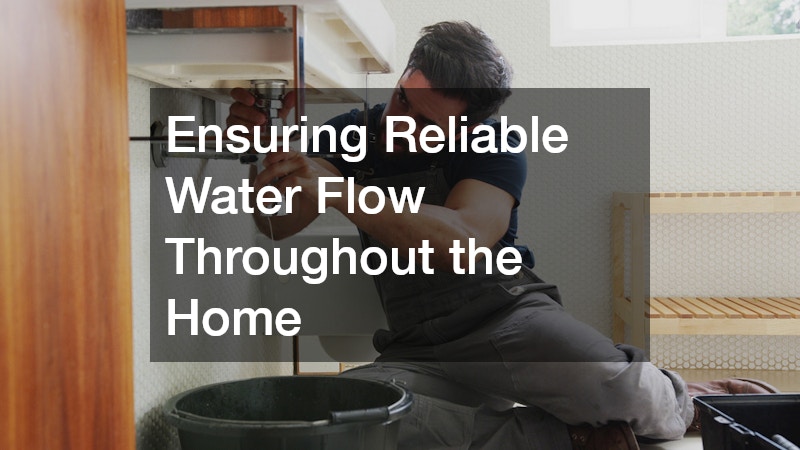
A dependable plumbing system is essential for daily comfort and functionality. From kitchens and bathrooms to laundry areas and outdoor connections, plumbing supports countless household activities. Problems such as leaks, corrosion, and aging components can affect both convenience and property condition.
Working with a qualified plumber helps homeowners address issues before they become serious concerns. Professional inspections can identify hidden leaks, worn fixtures, and potential failures that might otherwise go unnoticed until significant damage occurs.
Routine plumbing maintenance also supports water conservation and efficiency. By ensuring all components operate properly, homeowners can reduce waste, lower utility costs, and maintain reliable performance throughout the home.
Protecting a home requires more than occasional repairs when something goes wrong. The most effective approach involves proactive maintenance that addresses potential issues before they develop into costly problems. By consistently monitoring key systems and investing in preventive care, homeowners can preserve both property value and daily comfort.
Each major component of a home contributes to overall performance and long-term reliability. Climate control systems support comfort and efficiency, roofing protects against environmental damage, and electrical infrastructure ensures safe operation of modern technology. Plumbing, drainage, and water management systems play equally important roles in maintaining a healthy living environment.
Exterior elements also deserve regular attention. Well-maintained paved surfaces, energy-efficient windows, and effective moisture protection measures help preserve structural integrity while improving appearance and functionality. These improvements often provide substantial returns through reduced maintenance costs and increased property value.
One of the greatest advantages of preventive maintenance is predictability. Scheduled inspections and routine service allow homeowners to budget for maintenance expenses rather than facing unexpected emergencies. This proactive mindset often results in lower overall ownership costs while reducing stress associated with sudden system failures.
Homeownership is a long-term commitment that requires ongoing care and attention. While maintenance tasks may seem minor individually, their cumulative impact can be significant. Small investments in inspections, servicing, and timely repairs often prevent much larger expenses later.
Ultimately, protecting your investment means viewing maintenance as an essential part of responsible homeownership rather than an optional expense. By prioritizing routine care for critical systems and addressing concerns promptly, homeowners can enjoy greater peace of mind, improved efficiency, and stronger long-term property value. A well-maintained home not only provides a safer and more comfortable living environment but also remains better positioned to retain its value for years to come.