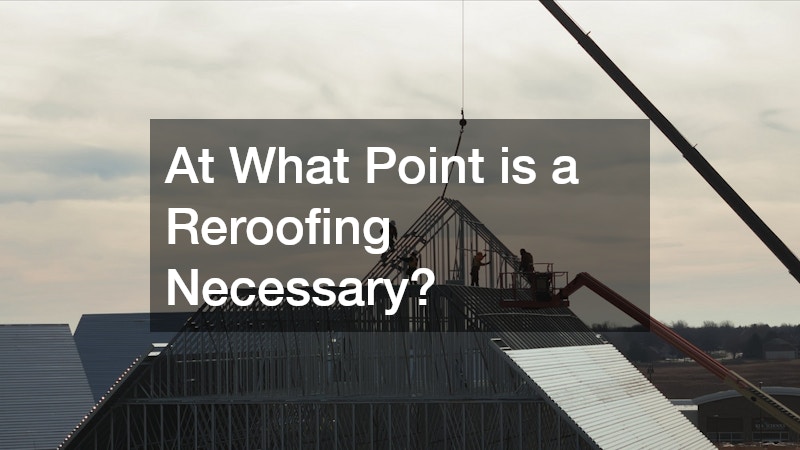
Homeowners often question when it is truly necessary to consider reroofing. The answer largely depends on the type of roofing material used. Asphalt shingles, for instance, typically last between 20 and 25 years.
Metal roofing can endure for 40 to 70 years, presenting a much longer lifespan. Tiles, including clay or concrete, range from 50 to 100 years, assuming proper maintenance.
Understanding the initial material helps establish a baseline for when a reroofing job might be necessary. Many people mistakenly believe that all roofs have a similar lifespan, but the material’s inherent properties play a significant role. Deterioration, weather conditions, and the quality of the previous installation also affect a roof’s longevity. Particularly in areas with harsh weather, these factors might significantly reduce a roof’s projected duration. Keeping these elements in mind helps you better assess the state of your current roofing.
Beyond material type, regular maintenance greatly influences how long your roof will last. Even the most durable roofs can suffer damage without proper care. Homeowners should conduct routine inspections, especially after severe weather events, to identify potential issues early on. Timely repairs or adjustments can prevent minor problems from escalating. This proactive approach ensures that reroofing can be planned rather than urgently needed.
Signs That Indicate Your Roof Needs Attention
Several signs can indicate when reroofing is necessary, allowing homeowners to address issues before they become severe. One of the most evident indicators is persistent leaks, which suggest the protective layer has been compromised. Water stains on ceilings or walls further affirm the presence of leaks. Additionally, moss or algae growing on your roofing can affect both its function and appearance. Although they may seem harmless, these fungi can trap moisture, speeding up deterioration.
Another sign is the appearance of cracked, curled, or missing shingles. These visible issues are red flags that your roof may not be safeguarding your home effectively. Shingle granules collecting in gutters are also a concerning sign, indicating wear and tear. Such symptoms often point to a roof nearing the end of its natural life cycle. Addressing them promptly is crucial to prevent water damage and energy inefficiency.
An unexpected increase in energy bills can also suggest roofing problems. If insulation is compromised due to roof damage, heating and cooling efforts become less efficient. As a result, energy consumption might rise, leading to higher costs. Regular checks for smaller gaps, damaged flashing, or worn seals can provide an early warning for larger issues. Recognizing these indicators early allows for strategic planning and acts as a preventive measure.
Evaluating Potential Damage Versus Complete Replacement
When faced with roofing concerns, the first decision is whether repair will suffice or if a full reroofing is warranted. Partial damage, such as isolated shingle issues, might only need repair. This option is less costly and can extend the roof’s life when promptly addressed. However, if damage is widespread, particularly affecting multiple sections, reroofing may be a more economical solution in the long run. Reroofing encompasses more comprehensive repairs, ensuring structural integrity and aesthetic appeal.
Moreover, previous repairs and the age of the roof play crucial roles in this decision. If a roof has required numerous repairs in a short span, this might suggest systemic issues that reroofing could resolve. Persistent problems can incur costs that eventually surpass a full reroofing project. Additionally, older roofs, even if not visibly damaged, may not meet modern efficiency standards. Reroofing provides an opportunity to upgrade insulation and ventilation, enhancing overall energy efficiency.
Modernizing your roof during reroofing also opens the door to eco-friendly solutions. Choosing sustainable materials not only benefits the environment but can also offer long-term financial savings. Reflective surfaces or improved insulation contribute to reducing energy consumption. These improvements may allow homeowners to benefit from tax incentives or energy rebates. When assessing potential damage, considering these factors can aid in making an informed decision.
Prioritizing Professional Assessments and Expertise
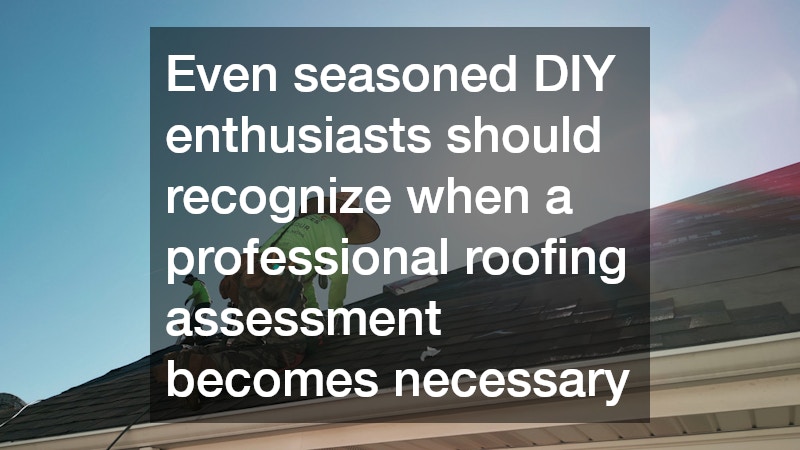
Even seasoned DIY enthusiasts should recognize when a professional roofing assessment becomes necessary. Trained experts can identify subtle signs of damage that might go unnoticed by the untrained eye. Additionally, they offer informed recommendations based on roof type, regional climate, and evolving roofing technologies. Hence, comprehensive assessments by professionals can mitigate risks and bring peace of mind. While initial costs may be higher compared to self-evaluations, the long-term benefits far outweigh them.
Safety is another critical factor encouraging professional involvement in roofing matters. Climbing rooftops without proper gear and knowledge can result in accidents or further damage. Roofing experts are well-equipped and trained to handle such tasks without compromising safety. Professional assessments often include a thorough inspection of not only the roof but also attic ventilation and insulation. These checks ensure holistic evaluations that protect the structure and those living within it.
Furthermore, professionals offer warranties or guarantees on their work, adding an extra layer of security. These warranties can cover future issues, providing financial protection that is invaluable. An expert’s assessment might also unveil opportunities for enhancing the current roof’s performance. These insights can lead to informed decisions that balance immediate needs with long-term benefits. Trusting in professional expertise positions homeowners to better care for their investments and maintain property value.