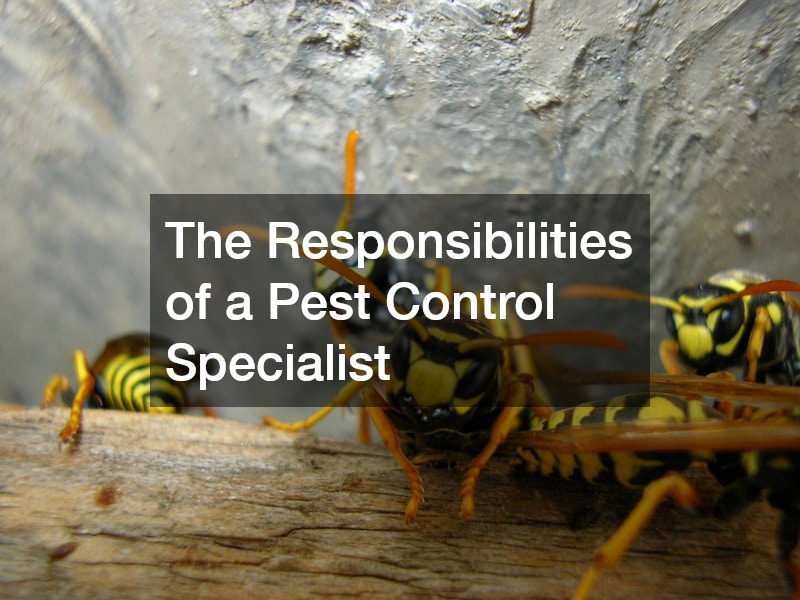
Pest control specialists are essential in eliminating unwanted pests in various settings. This article explores their responsibilities and answers common inquiries about the profession. By managing diverse environments, from urban apartments to rural farmlands, these specialists face numerous pests requiring specialized knowledge and expertise, crucial for public health and safety.
What is a Pest Control Specialist?
Definition and Role
A pest control specialist is a trained professional responsible for managing pest infestations. They assess environments, develop strategies to eradicate pests, and work with property owners to customize management plans.
This role is vital in preventing disease and property damage, with specialists focusing on pests from termites to bed bugs.
Pest control specialists ensure pest-free environments by communicating effectively with clients, explaining infestations, and advising on maintenance to prevent future issues. They stay updated on new pests, control technologies, and specialize through certification programs and industry networking.
Skill Requirements
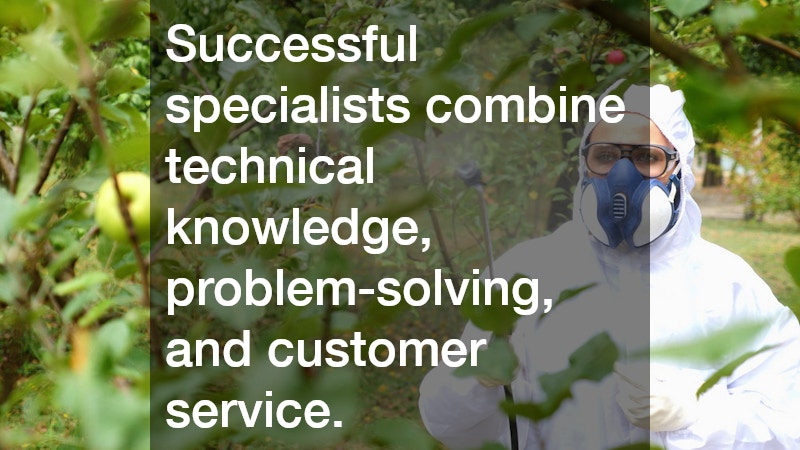
Successful specialists combine technical knowledge, problem-solving, and customer service. They must identify pest types, determine eradication methods, and possess adaptability since no two infestations are the same. Specialists require interpersonal skills to handle client interactions and manage customer relationships.
Physical fitness is necessary as tasks may involve climbing or working in confined spaces. Specialists regularly update skills through training on new pests and techniques, maintaining competence in the evolving landscape of pest management.
Training and Certification
Becoming a certified pest control specialist requires extensive training and certification exams. Ongoing education is essential as pest control regulations evolve. Specialists may pursue specialized certifications in specific areas like termite management, enhancing their credibility and client base.
Tools and Equipment Used
Pest control specialists use various tools and equipment, such as traps, baits, and spraying devices, tailored to specific pests and environments. Eco-friendly products and digital monitoring tools have advanced pest control technology. Additionally, personal protective equipment (PPE) ensures safety during operations.
What Types of Pests Do They Control?
Common Household Pests
Specialists deal with common household pests, like ants, termites, bed bugs, and cockroaches, which threaten health and property. Customized plans address pest types and severity, with specialists providing advice on sanitation and home maintenance to assist homeowners in prevention.
Wildlife and Rodent Control
Pest control specialists handle wildlife and rodents like rats and raccoons using humane methods, adhering to regulatory guidelines to prevent harm. They implement exclusion techniques and collaborate with wildlife agencies to maintain ecological balance.
Seasonal Pest Patterns
Pest specialists adapt strategies based on seasonal patterns, preparing for increased activity such as mosquitoes in warmer months or animals seeking warmth in colder times. Clients are educated about potential seasonal risks and prevention techniques.
Invasive Species Management
Specialists employ strategies to manage invasive species, collaborating with organizations for environmentally friendly solutions. They focus on controlling pests like the spotted lanternfly through concerted efforts and share findings for informed public policy.
How Do Pest Control Specialists Implement Safety Measures?
Use of Chemical Treatments
Chemical treatments, including insecticides and rodenticides, are applied with precision and safety to minimize risks. Specialists prioritize environmentally friendly products and follow regulatory guidance for safe pesticide application.
Environmental Protection
Specialists employ eco-friendly methods, like natural predators or organic repellents, to protect ecosystems. They advise on preventive landscaping strategies to discourage pests and engage communities in environmentally conscious pest management.
Personal Protective Equipment (PPE)
PPE is critical for specialists’ safety, protecting treatments. Specialists receive training in the proper use and maintenance of PPE, adhering to regulatory standards for safety compliance.
Regulations and Compliance
Pest control specialists adhere to regulations for safe and ethical management, with ongoing training to stay informed about legislation updates. Compliance ensures public safety and environmental responsibility.
What Techniques Are Employed for Pest Control?
Integrated Pest Management (IPM)
IPM combines diverse strategies, focusing on prevention and control while minimizing chemical use. Specialists engage clients in informed decision-making for successful pest management outcomes.
Biological Control Methods
Biological methods use natural predators to suppress pests, reducing chemical dependency. Specialists collaborate with researchers to ensure effective, sustainable pest management.
Mechanical Control Techniques
Mechanical techniques involve physical methods, like traps and barriers, to manage pests. Advances in technology improve efficiency and safety in physical interventions.
Chemical Control Solutions
Chemical solutions are strategically employed when needed, following safe practices to mitigate risks. Specialists keep up with advancements in pesticide formulations for responsible pest management.
Understanding pest control specialists’ roles highlights their crucial job in safeguarding health, safety, and the environment. As they adapt to new challenges, they remain vital in public health protection and ecological stewardship.