Crawlspace encapsulation is essential for maintaining a healthy home by sealing the crawlspace to prevent moisture and pests. This article explores common questions about crawlspace encapsulation. Proper encapsulation not only enhances the home’s livability but also contributes to its overall value.
Why is Crawlspace Encapsulation Necessary?
Protection Against Moisture
This process manages moisture, preventing mold growth by sealing the space. It helps maintain stable indoor humidity, protecting wooden structures. Additionally, it improves HVAC efficiency by keeping ducts dry. By effectively managing moisture, it also extends the lifespan of appliances and building materials.
Improved Air Quality
Encapsulation protects indoor air quality by blocking pollutants, allergens, and radon. It reduces dust, pollen, and allergens, benefiting asthma and allergy sufferers while ensuring better health. This creates a healthier living environment that supports overall well-being.
Structural Integrity
Encapsulation prevents water damage to support beams and foundations, protecting a home’s durability. It reduces soil expansion and contraction beneath the foundation, ensuring a stable structure. This stability is vital for preventing costly repairs and maintaining property value.
What Materials are Used in Crawlspace Encapsulation?
Vapor Barriers
These primary shields prevent moisture intrusion, preserving air quality and home conditions. Proper installation is crucial to ensuring their effectiveness. They act as a critical component in maintaining a dry and healthy crawlspace environment.
Insulation Types
Choosing insulation impacts energy efficiency and comfort. Rigid foam boards, spray foam, and batt insulation are common, each offering different benefits. Proper insulation reduces energy use and utility costs. Selecting the right type of insulation is essential for maximizing energy savings.
Sealing Agents
These seal vents and gaps to ensure airtight encapsulation, improving energy efficiency and protecting against moisture and insects. Sealing agents play a key role in preventing air leaks and enhancing indoor comfort.
How Does the Encapsulation Process Work?
Assessment and Planning
Encapsulation starts with an assessment to identify issues and craft a targeted strategy, choosing materials and methods for optimal protection and efficiency. A thorough assessment sets the stage for a successful installation. Ensuring all stakeholders are aligned with the strategy is crucial for a seamless implementation process.
Installation Steps
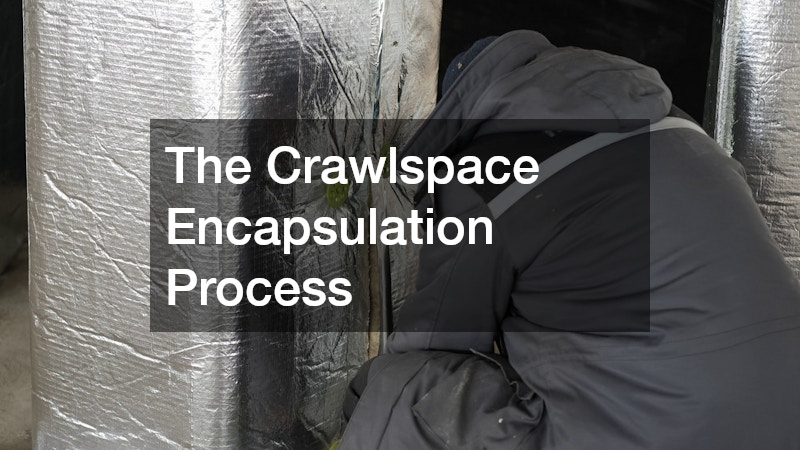
The process includes cleaning, installing vapor barriers, adding insulation, and using sealing agents to create a safeguarded crawlspace. Each step is crucial for ensuring that the crawlspace remains moisture-free and energy-efficient.
Post-Installation Maintenance
Regular checks on materials, moisture levels, and air quality ensure the continued success of the encapsulation. Ongoing maintenance is vital for preserving the investment in crawlspace encapsulation.
What are the Costs Involved in Crawlspace Encapsulation?
Material Costs
Costs vary with material choice and space size. Quality materials prevent future repairs, ensuring long-term benefits. Investing in high-quality materials is crucial for maximizing the encapsulation’s effectiveness. Choosing the right materials can significantly reduce both immediate and future financial burdens, making it a wise investment for homeowners.
Labor Costs
Professional installation ensures effective encapsulation, addressing complexity and location. It prevents installation errors and guarantees quality. Skilled labor is essential for achieving a durable encapsulation solution. Moreover, trained professionals can provide valuable insights and tips to maintain the encapsulation over the years.
Long-term ROI
Encapsulation offers energy savings and enhances home value, offsetting initial costs and appealing to buyers interested in efficiency. The investment pays off in terms of energy efficiency and property value enhancement. Homeowners will notice a potential increase in sale price due to improved structural integrity and living conditions.
What Problems Can Occur Without Crawlspace Encapsulation?
Moisture Issues
Unchecked moisture leads to mold and structural issues, impacting health and comfort. Moisture problems can also result in costly and frequent repairs if not addressed in a timely manner. Consistent moisture damage can ultimately compromise the safety and usability of the home’s foundation and living areas.
Pest Infestations
Unencapsulated crawlspaces invite pests, affecting hygiene and safety, whereas encapsulation prevents infestations. Keeping pests at bay protects the home’s interior from damage and contamination. It helps in maintaining a healthy environment and reduces the need for repeated pest control treatments.
Foundation Weakness
A non-encapsulated crawlspace allows dampness, eroding foundations. Encapsulation prevents severe structural deterioration. Ensuring a dry crawlspace is key to prolonging the foundation’s life.
Crawlspace encapsulation provides solutions for moisture, pests, and air quality. It’s an investment in home well-being, efficiency, and longevity, supporting sustainable living. By addressing these factors, it significantly enhances a home’s overall environment and functionality.