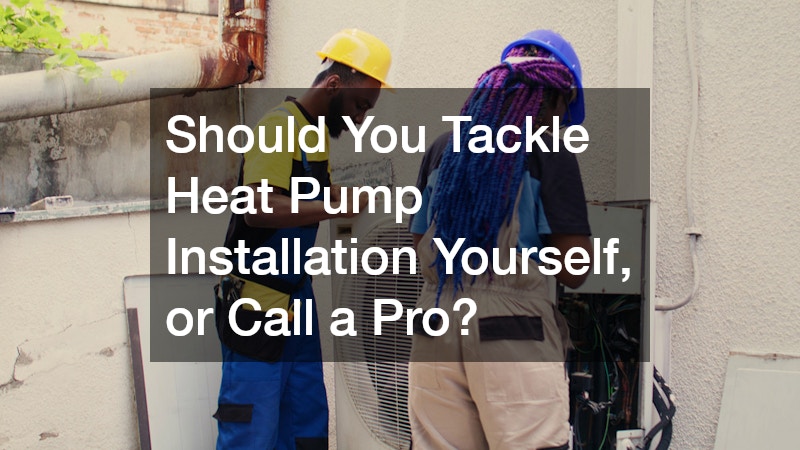
Installing a heat pump can be a game-changer for home comfort, offering both heating and cooling in a single, energy-efficient system. With rising energy costs and more environmentally friendly options, many homeowners are considering a heat pump to replace or supplement traditional HVAC systems. But when it comes to heat pump installation, the question arises: should you take on the project yourself, or bring in a professional? Understanding the challenges, benefits, and risks of each option can help you make the right choice for your home. Knowing what the process entails and the potential risks can help you decide whether to roll up your sleeves or call in an expert.
The Appeal of DIY Installation
For many homeowners, the idea of installing a heat pump themselves is tempting. DIY installation promises potential savings on labor costs, a sense of accomplishment, and the ability to schedule the work on your own terms.
For those with experience in home improvement or HVAC systems, this might feel like a manageable project.
However, installing a heat pump is not just another household task. It involves precise electrical connections, refrigerant handling, and proper placement of indoor and outdoor units to ensure efficient operation. Mistakes in any of these areas can lead to system inefficiency, damage, or even safety hazards. While instructional manuals and online tutorials provide guidance, they cannot fully replace the hands-on expertise that comes with professional training.
Some homeowners successfully install smaller or simpler units on their own, but even minor errors can impact performance and energy savings. The complexity of modern heat pumps, which often include smart controls and advanced energy management features, further increases the likelihood of costly mistakes if installation is attempted without proper knowledge.
Why Professionals Make a Difference
Hiring a licensed HVAC technician for heat pump installation offers several significant advantages. Professionals have the experience to assess your home’s heating and cooling needs accurately, ensuring the unit is correctly sized and positioned for maximum efficiency. Incorrect sizing or poor placement can reduce the lifespan of the system and increase energy bills.
Technicians also handle refrigerants safely and follow local building codes, something that DIYers may overlook. Improper handling of refrigerants can lead to environmental harm, legal issues, and personal safety risks. In addition, licensed installers typically provide warranties on both labor and equipment. This offers peace of mind, as any issues arising after installation are addressed promptly without additional out-of-pocket costs.
Furthermore, a professional installation ensures that the heat pump operates at peak efficiency from day one. Technicians can fine-tune settings, test the system thoroughly, and provide guidance on maintenance. This reduces the risk of future repairs and helps homeowners enjoy the full energy-saving benefits promised by the manufacturer.
Factors to Consider Before Making a Decision
When deciding whether to DIY or hire a professional, several key factors should be weighed. First, consider your skill level and comfort with electrical work and refrigeration systems. Installing a heat pump is not a casual weekend project; it requires technical knowledge and adherence to strict safety standards. If you have limited experience, the risks may outweigh the potential cost savings.
Next, evaluate your home’s specific requirements. Some installations involve complex ductwork or additional electrical upgrades, which can quickly become overwhelming for a DIYer. Additionally, consider the long-term implications. While DIY installation might save money initially, mistakes can result in higher energy bills, frequent repairs, and a shorter system lifespan.
Finally, think about insurance and liability. Homeowner insurance policies may not cover damages resulting from self-installed HVAC equipment. Hiring a licensed professional reduces your risk and ensures that the installation complies with all relevant regulations and standards.

Ultimately, heat pump installation offers clear benefits in energy efficiency and home comfort, but it is a project that carries real technical and safety challenges. While a skilled DIYer might tackle a straightforward installation successfully, the potential pitfalls—from improper refrigerant handling to inefficient system performance—make professional installation the safer and often more cost-effective choice. By investing in a licensed technician, homeowners gain assurance that their system will function optimally, remain compliant with regulations, and deliver energy savings for years to come. In the end, the decision comes down to balancing your skills, budget, and willingness to accept risk versus the peace of mind and reliability that professional installation provides.