
A home should offer more than a comfortable place to sleep and spend time with family. It should also protect the people inside from preventable hazards, support daily routines, and withstand changing weather conditions. Achieving those goals requires attention to systems and spaces that homeowners may rarely see. A minor leak behind a wall, a damp crawl space, or an opening near the roofline can quietly develop into a much larger problem.
Staying ahead of potential damage doesn’t mean tackling every repair yourself. It means understanding what to look for, keeping up with routine maintenance, and recognizing when a qualified professional should investigate. Pest activity, structural movement, moisture, indoor air quality, and drinking water all affect the condition of a property in different ways.
By making regular inspections part of homeownership and responding promptly to changes, you can preserve your property’s condition while creating a healthier environment for everyone who lives there. The following priorities provide a practical framework for identifying risks, organizing maintenance, and deciding which improvements deserve attention first.
Inspect Your Home for Early Warning Signs
Many household problems begin with subtle evidence. Scratching sounds in the walls, small piles of droppings, damaged food packaging, or gaps around exterior vents may indicate that pests have found a way inside. Instead of waiting until activity becomes obvious, inspect storage spaces, utility rooms, attics, and areas where pipes enter the home. Keep pantry goods sealed and remove clutter that makes nesting areas difficult to spot.
A rodent control service can help identify entry points, evaluate the extent of an infestation, and recommend measures that reduce the likelihood of recurring activity. Exclusion work matters because removing animals without addressing access routes may provide only temporary relief. Homeowners can support these efforts by trimming vegetation near siding, securing trash containers, and repairing loose screens or damaged door sweeps.
Wood-destroying insects deserve similar attention. Termites may remain hidden while damaging wooden framing or other vulnerable materials. Mud tubes, discarded wings, blistered wood, and unexplained changes in trim can justify an inspection. Professional termite control may involve identifying the species, assessing conditions that attract activity, and selecting an appropriate treatment plan. Do not assume that a surface with little visible damage is free of problems beneath it.
Make observations throughout the year rather than relying on one annual walkthrough. Keep dated photographs of suspicious changes and note where you found them.

Protect Your Foundation and Crawl Spaces
Your foundation supports the building above it, so changes in its condition deserve careful attention. Small cracks are not always signs of a serious structural problem, but widening gaps, uneven floors, sticking windows, and doors that suddenly stop closing properly may indicate movement. Look for these symptoms both indoors and outside, especially after heavy rain or seasonal shifts in soil moisture.
Homeowners seeking local foundation repair should start with a thorough assessment rather than assuming every crack needs the same treatment. The appropriate response depends on the foundation type, underlying cause, extent of movement, and drainage conditions. Some concerns call for monitoring or targeted sealing, while others require an engineer’s evaluation and more substantial stabilization work.
Crawl spaces require their own inspections because they can hide moisture intrusion, deteriorating insulation, plumbing leaks, and damaged structural components. Musty odors above the floor or unusually cold rooms may be clues that conditions below need attention. Effective crawl space repairs can involve correcting drainage, addressing damaged materials, improving access, or installing moisture-control measures suited to the property.
Outdoor maintenance also plays a role. Clear gutters, extend downspouts away from the foundation, and watch for soil that slopes toward the house. If you notice significant settlement, persistent standing water, or visibly weakened support members, arrange a professional evaluation before beginning cosmetic improvements.
Prevent Water From Entering Your Basement
Basements often reveal drainage problems before the rest of the house does. Damp corners, white mineral deposits on masonry, peeling paint, and recurring puddles can all point to unwanted water. The cause may be runoff near the foundation, cracks in basement walls, plumbing failures, or a combination of factors. Identifying the source is essential because a solution that addresses only the visible stain may not prevent the next incident.
Basement waterproofing can involve several approaches, depending on how water enters. Exterior grading improvements, foundation drainage, crack sealing, sump pumps, and interior drainage systems each address different circumstances. A detailed evaluation should consider the building’s construction, nearby soil, seasonal groundwater changes, and whether previous repairs have succeeded.
Act quickly when water accumulates. Remove items from the affected area when it is safe to do so, document damage for insurance purposes, and avoid entering spaces where water may contact electrical equipment. A water damage restoration service can assess affected materials, extract water, support drying, and determine which components may need removal or replacement. Prompt drying helps limit deterioration, although contaminated water requires additional precautions.
After an incident, monitor the space instead of assuming the problem is solved once surfaces look dry. Moisture can remain behind baseboards or within insulation. Check drainage systems after storms and test sump pump operation according to the manufacturer’s instructions.
Address Mold and Indoor Air Quality
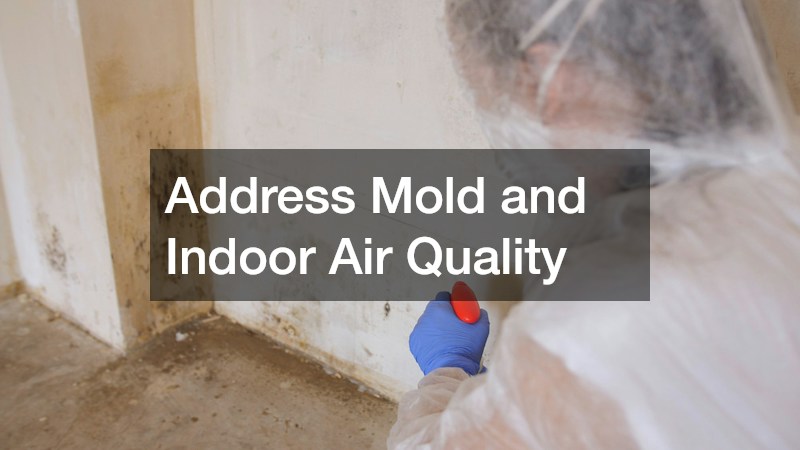
Moisture problems can affect much more than the appearance of a room. Persistent dampness creates conditions where mold may grow on drywall, wood, carpeting, and other materials. However, staining alone cannot establish what is growing or how far a problem extends.
Mold testing services may be useful in certain situations, such as when the extent of contamination is unclear or an independent assessment is needed. Testing is not always necessary when visible mold is present; finding and correcting the moisture source is usually the first priority. A qualified assessor can explain whether sampling would answer a specific question and how results should influence the response.
When contamination is extensive or affects difficult-to-reach areas, local mold removal professionals can evaluate containment, appropriate protective measures, and safe removal of damaged porous materials. Painting over visible growth or using fragrance to cover an odor does not resolve the underlying issue. If an area was flooded with sewage or another hazardous source, professional handling is especially important.
Daily habits can support healthier indoor conditions. Use bathroom exhaust fans, vent clothes dryers outdoors, repair plumbing leaks promptly, and keep indoor humidity at a reasonable level. Watch for condensation around windows or cold surfaces, particularly during seasonal temperature changes. Continue checking previously affected areas after repairs, since renewed dampness may signal that the original source has not been completely corrected.
Improve Your Household Water Quality
Water quality deserves attention even when the water looks clear. Taste, odor, staining, and mineral buildup can provide clues about conditions worth investigating, although they cannot identify every contaminant. Well owners may need a different testing schedule and treatment approach than households served by a public utility. Review available water quality reports and consider laboratory testing when there are changes in color, smell, or other noticeable characteristics.
Iron in household water can leave reddish stains on sinks and laundry, contribute to deposits, and affect taste. People researching iron water filtrations should begin by determining whether dissolved iron, iron particles, or other water characteristics are causing the issue. The appropriate equipment depends on test results, flow rate, plumbing configuration, and any additional treatment needs.
Replace filters on schedule, follow manufacturer maintenance guidance, and confirm that the equipment is designed for the substances identified in your water. If laboratory results raise concerns about health-related contaminants, use guidance from the relevant public health authority when choosing treatment.
Don’t overlook plumbing while evaluating water quality. Corroded connections, hidden leaks, and failing supply lines can waste water and damage nearby building materials. Inspect accessible pipes for drips and unusual discoloration. A plumber can investigate pressure changes or recurring leaks and help prevent a water issue from becoming a costly repair to floors, cabinets, or walls.

Maintain Walls, Ceilings, and Interior Finishes
Walls and ceilings provide useful clues about a home’s overall condition. Cracks, stains, bubbling paint, and soft patches may reflect normal wear, but they can also signal moisture intrusion, movement, or damage concealed behind a finished surface. Pay attention to whether a mark grows, returns after cleaning, or appears alongside other changes. Correcting an underlying problem should always come before covering the evidence with paint or joint compound.
A drywall contractor can repair damaged panels, replace sections that cannot be salvaged, and finish surfaces so they blend with surrounding areas. However, even a smooth repair may fail if the source of water or movement remains active. Ask how affected materials will be evaluated before work begins, particularly after leaks or flooding. Wet insulation or compromised framing may require separate attention before new wallboard is installed.
Homeowners can reduce everyday wear by maintaining ventilation, controlling indoor humidity, and using appropriate anchors when mounting heavy objects. Inspect caulking around tubs, showers, and sinks because deteriorated seals can allow moisture into adjacent surfaces.
Document recurring defects instead of repeatedly patching them. Patterns such as diagonal cracks near doors or stains below the same roof section can help identify broader maintenance needs. Finishes matter aesthetically, but their greater value lies in protecting interior spaces and revealing when deeper repairs should take priority.
Build Consistent Home Maintenance Habits
A manageable routine is more effective than waiting for an emergency to force action. Divide inspections into monthly, seasonal, and annual tasks based on your home’s age, construction, and local climate. Check under sinks and around appliances for leaks each month. Test alarms according to their instructions, examine visible caulking, and make sure vents and drains are unobstructed.
Seasonal inspections should focus on changing conditions. Before heavy rain, clear debris from gutters and confirm that water flows away from the house. Before winter, look for drafts around doors, exposed plumbing that may need protection, and roof or siding damage. After storms, inspect accessible areas for new staining, standing water, or displaced materials without climbing onto unsafe surfaces.
Keep a written maintenance log with dates, photographs, service reports, and warranty information. Note what changed, when it appeared, and whether a previous solution lasted. Records are especially useful when coordinating several contractors because they establish a timeline of symptoms and repairs.
Build a modest repair reserve into the household budget and review it as major systems age. Preventive tasks will not eliminate every surprise, but they can reduce avoidable deterioration and make urgent decisions less stressful. When several problems appear together, address safety hazards and active water entry before appearance-related improvements. This simple order keeps limited time and money focused on the conditions most likely to cause further damage.

Plan Repairs and Professional Services Strategically
Knowing when to call for help is part of responsible home maintenance. Routine cleaning and visual checks may be manageable for many homeowners, but structural movement, suspected pest infestations, widespread mold, and major water intrusion call for specialized assessment. Choose providers based on the problem they are qualified to investigate rather than assuming a single contractor can diagnose every building issue.
Before authorizing work, explain the symptoms clearly and request a written scope. Ask what evidence supports the proposed repair, whether the underlying cause has been identified, and what limitations or follow-up steps to expect. For substantial projects, compare detailed estimates that describe materials, methods, timelines, and cleanup responsibilities. Verify applicable licenses, insurance, and permits under local requirements.
If water has damaged a basement wall, address drainage or plumbing first, then complete drying and necessary remediation before replacing interior finishes. If foundation movement has damaged drywall, resolve or stabilize the structural concern before investing in cosmetic repairs. Coordinating the order of work helps prevent newly completed improvements from being damaged again.
Finally, revisit your maintenance plan after major repairs or changes in household needs. A renovated basement, aging plumbing system, or newly discovered drainage issue may require more frequent monitoring. Share relevant service records with future professionals and keep access points clear for inspections. A safe, healthy home isn’t the result of one project; it depends on informed decisions, timely attention, and ongoing care for the systems that support everyday life.